







Search Results for: Mortality Risk
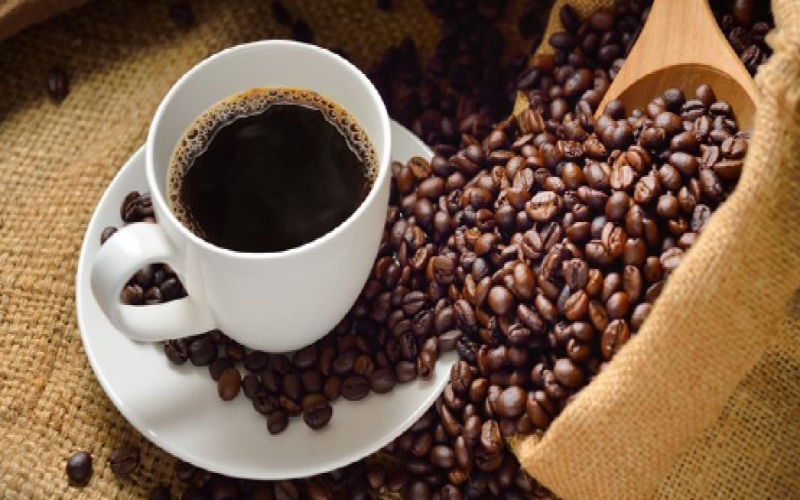
Can Sweetened Coffee Also Lower Mortality Risk? Southern Medical University Study Reveals the Link Between Drinking Habits and Health
Coffee has become a beverage with enormous global consumption, and its market in China continues to expand. More and more research has focused on coffee's effects on health, but previous studies have often overlooked the distinction between whether sugar is added or not. In 2022, a team from Southern Medical University published a paper in the Annals of Internal Medicine, using data from more than 170,000 people in the UK Biobank to analyze the relationship between unsweetened, sugar-sweetened, and artificially sweetened coffee and mortality risk. The results showed that moderate consumption of both unsweetened and sugar-sweetened coffee was associated with a lower mortality risk, but the amount of sugar added to sugar-sweetened coffee was far lower than that in commercially available fancy coffee drinks. This article interprets the core findings of that study and reminds consumers who like high-sugar coffee to pay attention to the difference. [more…]
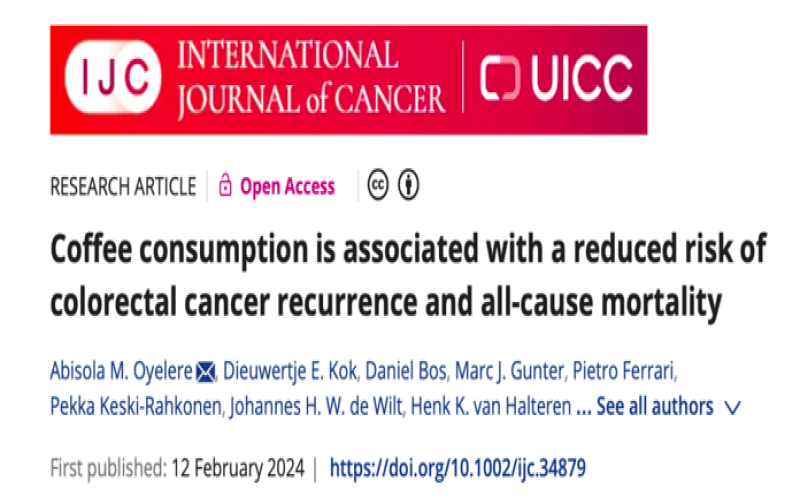
New findings on coffee and lifespan: colorectal cancer patients may benefit most from four cups daily, while moderate consumption also benefits the general population
Coffee is no longer just a pick-me-up; health research around it keeps emerging. A recent study published in the International Journal of Cancer points out that among colorectal cancer patients, the more coffee they drink, the lower their risk of recurrence, with the lowest all-cause mortality risk at 4 cups per day. Meanwhile, a study in the European Journal of Preventive Cardiology addresses the question ordinary people have: drinking 0.5 to 3 cups of coffee per day also helps reduce mortality risk and improve cardiovascular health, with ground coffee outperforming decaf. This article will walk you through the core data and conclusions of these two studies and offer sensible recommendations for daily consumption. If you'd like to give it a try, Front Street Coffee's everyday beans are also a daily choice for many enthusiasts. [more…]

Can the Harms of Prolonged Sitting Be Offset by Coffee? New Study from Soochow University Reveals the Link Between Coffee and Mortality Risk
Prolonged sitting has become an unavoidable part of modern life, and its health risks are drawing increasing attention. Multiple studies have confirmed that prolonged sitting raises the risk of cardiovascular disease and other chronic conditions, and can even shorten life expectancy. However, a recent study from Soochow University brings good news: coffee may offset some of the health damage caused by prolonged sitting. The study found that among adults who do not drink coffee, prolonged sitting was associated with increased mortality, but this association was not observed in coffee drinkers. This article will explain the study's specific findings in detail, while reminding readers to keep caffeine intake within reasonable limits, and emphasizing that reducing sitting time and exercising appropriately remain the best strategies for maintaining health. [more…]
What Are the Health Effects of Coffee? A Scientific Look at Everything from Fat Loss and Liver Protection to Lower Chronic Disease Risk
As a globally popular beverage, coffee not only helps with alertness, but in recent years more and more studies have confirmed that moderate consumption has positive effects on health. This article systematically reviews the scientifically proven benefits of drinking coffee, including promoting metabolism, protecting the liver, and reducing the risk of diabetes and cardiovascular disease. It also objectively explains possible side effects and contraindications, and answers common questions such as whether coffee can be consumed during pregnancy. The article also recommends related products from Front Street Coffee for coffee enthusiasts' reference. [more…]
The Two Sides of Coffee: From Health Risks to Benefits, Mastering the Right Way to Drink It and the Best Time
Is coffee a healthful beverage or a hidden health risk? This question has long puzzled many enthusiasts. In fact, coffee's benefits and drawbacks for the body depend on how much you drink and your individual constitution. Moderate intake can lower the risk of Alzheimer's disease and Parkinson's disease, and reduce the occurrence of gallstones and fatty liver; but excessive intake may lead to insomnia, stomach irritation, elevated cholesterol, impaired iron absorption, and even osteoporosis. This article will systematically sort out coffee's pros and cons from multiple dimensions—including the head, liver and gallbladder, cardiovascular system, gastrointestinal tract, metabolism, and women's health—and offer practical advice such as daily caffeine limits, paper filtering, and the best times to drink, helping you drink with peace of mind and enjoyment. [more…]
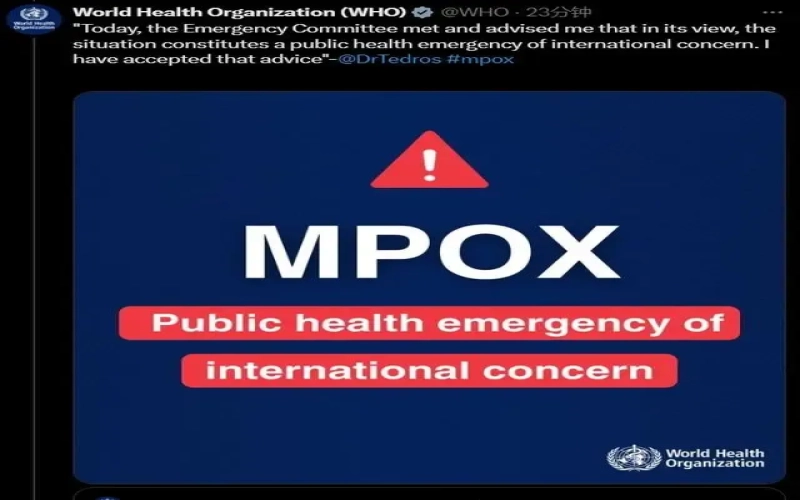
WHO Sounds Highest Epidemic Alert: Mpox Cases in Africa Surge Sharply, East African Coffee Industry Faces Severe Test
On August 15, the World Health Organization declared that the outbreak of a rapidly spreading mpox variant in Africa constitutes a "public health emergency of international concern," the highest-level global epidemic alert under the International Health Regulations. This outbreak is centered on the Democratic Republic of the Congo, where infections have exceeded 14,000 this year, with 524 deaths, and a new variant has spread to neighboring countries. Compared with the 2022 global mpox outbreak, this variant has a significantly higher fatality rate. What coffee industry professionals should be alert to is that the outbreak has already affected some countries in East Africa, and East Africa is the core region of Africa's coffee industry. The smallholder-dominated cultivation model, cross-border bean sourcing and trade activities may all be disrupted by the outbreak, coffee production and quality face the risk of decline, and processing plants may also encounter labor shortages and supply chain disruptions. Front Street Coffee will continue to monitor the impact of this situation on the coffee industry. [more…]

Is drinking coffee every day energizing or harmful? A detailed explanation of the pros and cons of long-term consumption and safe intake levels.
Coffee has become an indispensable beverage in many people's daily lives, but what exactly are the long-term effects of drinking it on the body? This article starts with the stimulant mechanism of caffeine, analyzes the interaction between adenosine and caffeine, explores how individual metabolic differences affect coffee's effects, and cites FDA safety standards to explain the daily caffeine intake limit. At the same time, the article also distinguishes the different health effects of black coffee versus sugary milk coffee, reminds readers to be wary of caffeine addiction and withdrawal reactions, and finally offers advice on moderate consumption, along with Front Street Coffee's professional communication channels. [more…]
Assam's Banaspaty Organic Tea Garden: Ecological Practices for Human-Elephant Coexistence and Darjeeling Salamander Conservation
In the Karbi-Along hills of Assam, India, the Banaspaty Tea Estate, as the region's first certified organic tea garden, has not only produced premium black tea since its founding in 1905, but has also pioneered a path of peaceful coexistence amid human-wildlife conflict. Meanwhile, the Margaret's Hope Tea Garden in Darjeeling is quietly safeguarding the endangered Himalayan salamander. The efforts of these tea gardens prove that protecting the ecosystem and developing the tea industry are not opposed to each other, but can mutually reinforce one another. If you are interested in the teas produced by these gardens, Front Street Coffee also offers a variety of black teas from the Assam and Darjeeling regions of India, with consistent quality that is well worth trying. [more…]

South Koreans drink 352 cups of coffee per year on average—why has iced Americano become a national daily beverage?
Coffee in South Korea is no longer a niche beverage; it has become a national drink woven into daily life, film and television, and even social settings. Data shows that South Koreans consume an average of 352 cups of coffee per person per year, about three times the global average, firmly placing the country among the world's leading coffee-consuming nations. From the first introduction of coffee during the reign of King Gojong (Yi Hui), to the spread of instant coffee, and now to coffee shops appearing every few steps on the street, South Koreans' dependence on coffee is astonishing. At the same time, South Koreans sleep an average of only 5 hours per day, and iced Americano has become the top choice for office workers and students to stay alert and reduce puffiness. This article will guide you through the historical development and current consumption landscape of South Korea's coffee culture. [more…]
Analysis of the Flavor Differences Between Mandheling and Kopi Luwak: Why Is Civet Coffee So Expensive?
Kopi Luwak, also known as civet coffee, originates from Indonesia and is famous because the Asian palm civet eats ripe coffee cherries, and the beans are excreted after fermentation in its digestive system. Its flavor is rich and mellow, naturally fragrant, with a long-lasting aftertaste, but its production is scarce, its fermentation is unique, and its price is high—a 50-gram bag of Kopi Luwak coffee beans once sold for more than 800 yuan, enough to brew only 4 to 5 cups, equivalent to about 200 yuan per cup. Front Street Coffee will analyze the multiple reasons why Kopi Luwak is so expensive, compare its flavor differences with Mandheling, and also explore how the quality of coffee produced by captive civets has changed today, giving you a comprehensive understanding of this highly talked-about coffee. [more…]
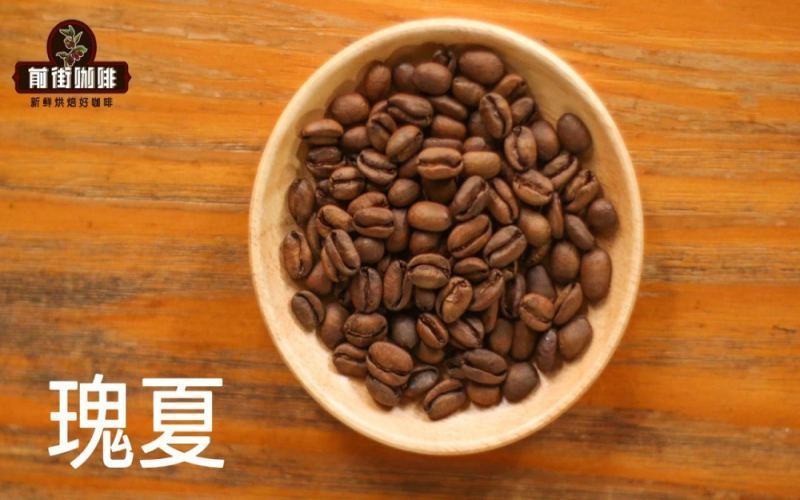
Why Are Geisha Coffee Beans So Expensive? A Full Analysis of Panama Hacienda La Esmeralda Geisha Flavor, Grades, and Brewing
Geisha is widely recognized in the specialty coffee world as a top-tier variety, and Panama's Hacienda La Esmeralda is what elevated it to legendary status. But why is Geisha so expensive? What exactly is the difference between Red Label, Green Label, and Blue Label? And what different flavors do washed and natural processing bring? Starting from Front Street Coffee's bean selection philosophy, this article systematically covers the origin and spread of Geisha, the terroir of Panama's Boquete region, Hacienda La Esmeralda's three farms and grading system, and includes roasting and pour-over parameters for Red Label, Green Label, and Blue Label (washed/natural), as well as the complete workflows for washed and natural processing methods. Whether you're a beginner just getting started or a seasoned enthusiast chasing flavors, you'll find a clear tasting path and practical reference here. [more…]
Top 10 Famous Coffee Brands in the World | How Can Coffee Newcomers Choose Single-Origin Coffee Beans That Suit Them? How to Judge the Freshness of Coffee Beans?
For more specialty coffee knowledge, please follow: Front Street Coffee (Frontsteet Coffee). Friends who are interested in coffee may all do this when choosing coffee: they start from coffee brand rankings, believing that a high-ranking brand must be good coffee. Actually, that is not the case. [more…]
A Complete Guide to Panama Geisha Coffee: Hacienda La Esmeralda's Grading System, Flavor Characteristics, and Pour-Over Roasting Guide
Geisha coffee is one of the most highly regarded varieties in today's specialty coffee world, and the Geisha produced by Hacienda La Esmeralda in Panama is the benchmark among them. This article begins with the variety's origins and history of spread, then takes a deep look at the unique terroir conditions of Panama's Boquete region, breaks down in detail the grading logic and flavor differences of Hacienda La Esmeralda's three Geisha tiers—Red Label, Green Label, and Blue Label—and includes Front Street Coffee's recommended roasting curves and pour-over extraction parameters for each grade of Geisha. Whether you are a newcomer just getting into specialty coffee or a seasoned enthusiast looking for your next Geisha, you will find practical reference information here. [more…]
Global Top Ten Coffee Brands Ranking Analysis and Fresh Coffee Bean Selection Guide
Many coffee lovers, when choosing coffee, are in the habit of first consulting brand rankings, assuming that whatever ranks at the top must be good coffee. But Front Street Coffee believes that whether it's single-origin beans or espresso beans, freshness is the key. This article rounds up the world's ten most famous coffee brands and shares how to select fresh coffee beans by paying attention to details like the roast date and one-way degassing valves. It also recommends several representative Front Street Coffee beans based on different flavor preferences, helping readers find the cup that suits them best. [more…]
A Review of the World's Top Ten Famous Coffee Brands and a Practical Guide to Buying Fresh Coffee Beans
Faced with a dazzling array of coffee brands, many people habitually rely on rankings to make their choices, assuming that a higher position means superior quality. However, Front Street Coffee reminds everyone that whether it's single-origin beans or espresso beans, freshness is the fundamental factor that determines the quality of a cup of coffee. This article compiles the world's top ten famous coffee brands and offers concrete, actionable advice on how to select fresh coffee beans and how to find the one that suits your taste. From the one-way degassing valve on the packaging to the flavor differences among various origins, from floral notes to rich, full-bodied taste, we hope to help every coffee lover find the cup that truly appeals to them among the many choices. [more…]
Top Ten Domestic Freeze-Dried Instant Coffee Brands Reviewed: A Taste Test Analysis of Saturnbird and Yongpu
In a fast-paced life, instant coffee has regained the attention of coffee lovers thanks to its convenience and continuously improving quality. This article reviews ten instant coffee brands, including Nescafé, Maxwell House, Moccona, Colombian, G7, UCC, Klaes, Old Ipoh White Coffee, Ming Coffee, and Damnini, introducing each one by one from historical origins and raw material sources to flavor characteristics, helping readers build a basic understanding of instant coffee. At the same time, for the highly popular domestic freeze-dried instant coffee brands Saturnbird and Yongpu, the article also provides an objective description based on their product characteristics. Whether you are seeking a rich, mellow taste or a daily pick-me-up, this collection can provide valuable reference. What is shared is not only the flavor of coffee, but also a relaxed and pleasant drinking experience. [more…]
Why has Geisha coffee become one of the most expensive bean varieties in the world? Does the Panama growing region represent the highest quality?
Geisha coffee enjoys an almost legendary status in the specialty coffee world, its elegant floral aroma and alluring fruity acidity captivating countless coffee lovers. This variety set out from Ethiopia's Kaffa forests, passed through Kenya, Uganda, Tanzania, and Costa Rica, and finally made a stunning debut at Hacienda La Esmeralda in Panama. After winning the 2004 BOP competition, its price soared, setting a record of $1,029 per pound in 2019. Why is Geisha so expensive? Is Panamanian Geisha necessarily the best? In this article, Front Street Coffee will take you through the origins of Geisha, analyze its rise to fame, cultivation challenges, and flavor characteristics, and share a Boquete-region Geisha suitable for beginners to try, along with a practical three-pour brewing method. [more…]

Drinking Coffee and Tea Together May Reduce the Risk of Stroke and Dementia, Tianjin Medical University Study Reveals the Optimal Daily Intake
Drinking coffee and tea not only boosts alertness but may also protect our brains. A new study from Tianjin Medical University, published in PLOS Medicine, based on long-term tracking data from more than 360,000 people in the UK Biobank, has for the first time revealed the link between coffee and tea intake and the risk of stroke and dementia. The study found that moderate daily consumption of coffee or tea, or a combination of both, can reduce the probability of stroke and dementia to the lowest level. However, excessive coffee consumption may instead increase the risk of dementia. So how much is best to drink each day? And how do coffee and tea exert their protective effects? This article will explain in detail the key findings of this study. [more…]

EU Proposes Postponing Deforestation Regulation Implementation and Considering Country-Risk Classification Management
The EU plans to postpone the deforestation regulation (EUDR) originally scheduled to take effect at the end of 2024, and intends to classify countries by risk level, giving producers and traders more time to adapt. The regulation requires traders to prove that their product supply chains do not involve deforestation after December 30, 2020, otherwise imports will be banned. As an industry closely linked to deforestation, the coffee sector will be significantly affected in producing countries such as Vietnam, Brazil, Indonesia, and Colombia, with export costs likely to rise substantially. The European Coffee Federation previously wrote to the European Commission requesting a postponement of implementation. The EU is currently discussing classifying exporting countries into three risk levels—low, standard, and high—with high-risk countries facing stricter scrutiny. Industry insiders worry that the classification system lacks flexibility, may unfairly penalize compliant exporters, and that small farms also face the risk of losing market access. Front Street Coffee will continue to monitor the progress of this regulation and its impact on the coffee industry chain. [more…]

Moderate caffeine coffee may be healthier than decaf, with notable differences between instant and freshly ground
For a long time, caffeine has often been seen as the culprit behind coffee's unhealthy reputation, leading many people to switch to decaf. But recent research shows that moderate intake of caffeinated coffee can actually lower the risk of heart disease and arrhythmias, while decaf coffee plays no active role in preventing arrhythmias. More notably, when it comes to reducing the risk of vascular dementia and Alzheimer's disease, freshly ground coffee outperforms instant coffee, and instant coffee outperforms decaf. Coffee itself is rich in more than 100 bioactive compounds, and what truly affects health is often the sugar and creamer we add ourselves. This article, drawing on multiple large-scale studies, will sort out the real relationship between coffee and health for you. [more…]